Chronic Kidney Disease (CKD) - what it is, stages & symptoms
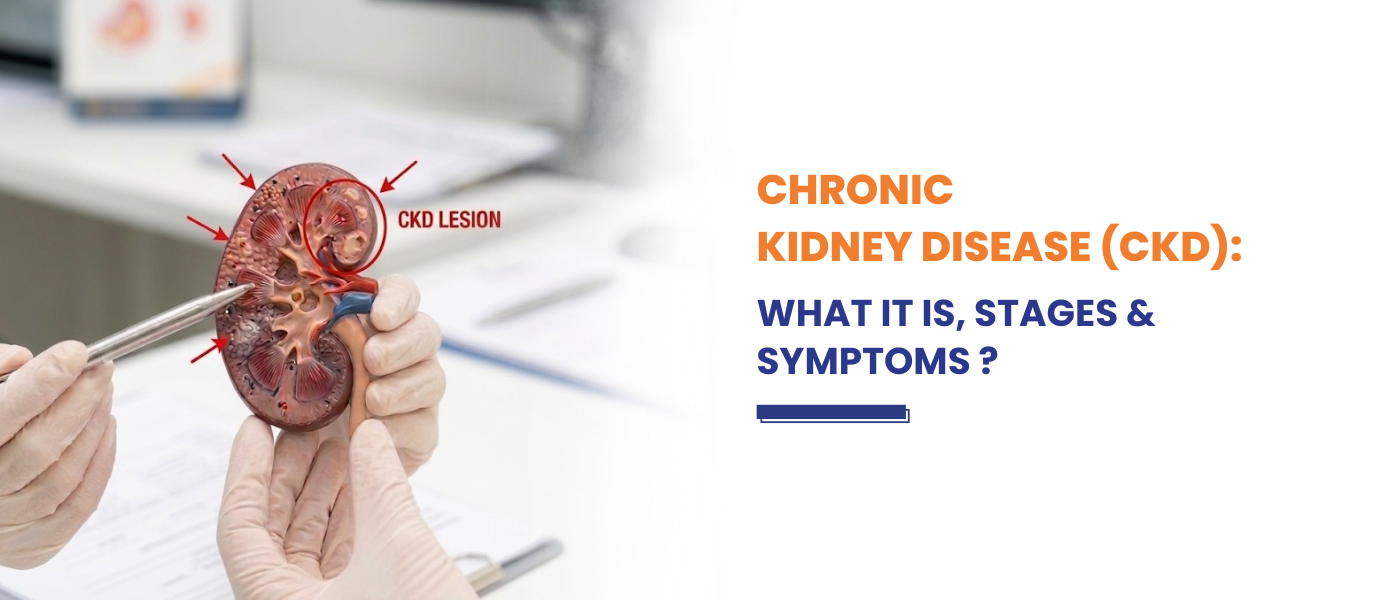
Fatigue, swelling in the feet, or changes in urination are often ignored as part of stress, ageing, or busy routines. However, these symptoms can sometimes point towards kidney-related concerns. The kidneys quietly perform essential functions every day, filtering waste, balancing fluids, and supporting overall health.
When kidney function gradually reduces over time, it may lead to a condition called chronic kidney disease, or CKD. Because CKD often develops slowly and without obvious early symptoms, awareness becomes very important. Understanding its stages and warning signs can help people seek timely medical guidance and protect long-term health.
Chronic Kidney Disease (CKD) is a condition in which the kidneys gradually lose their ability to filter waste from the blood. It develops over time and may not cause early symptoms. Recognizing warning signs and monitoring kidney health early can help slow progression and reduce complications.
Understanding Chronic Kidney Disease (CKD)
The kidneys act like the body’s natural filtration system. They remove waste products, control fluid balance, regulate blood pressure, and help maintain healthy mineral levels.
In CKD, the kidneys slowly become less efficient over months or years. Because the decline is gradual, many people may not realize there is a problem in the early stages.
You can think of kidneys like water purifiers. Initially, the filter may continue working even when slightly damaged. Over time, however, waste begins to build up, affecting the overall system. Similarly, reduced kidney function can affect multiple organs and overall well-being.
CKD is usually identified through blood and urine tests that help doctors assess how well the kidney function is.
Why Awareness Matters
CKD is often called a “silent disease” because symptoms may appear only after kidney function has significantly reduced.
Certain conditions increase the risk of CKD, including:
- Diabetes
- High blood pressure
- Obesity
- Family history of kidney disease
- Long-term use of certain medications
In many people, CKD is detected during routine health check-ups rather than because of symptoms.
Without early detection, kidney disease may gradually affect:
- Heart health
- Bone strength
- Blood pressure control
- Energy levels and daily functioning
Awareness encourages timely screening and preventive care.
Stages of Chronic Kidney Disease
Doctors divide CKD into stages based on kidney function tests, especially a value called eGFR (estimated glomerular filtration rate).
Stage 1
Kidneys are functioning normally but may show early signs of damage. Symptoms are usually absent.
Stage 2
There is a mild reduction in kidney function. Most people continue to feel normal.
Stage 3
Moderate reduction in kidney function. Symptoms such as tiredness or swelling may begin.
Stage 4
Kidney function becomes severely reduced. Closer monitoring and medical care become important.
Stage 5
Kidney function is very low. This stage requires advanced medical evaluation and management.
Most complications can be managed better when CKD is identified early.
Common Symptoms of CKD
Symptoms may develop gradually and vary between individuals.
Common warning signs include:
- Persistent fatigue or weakness
- Swelling in the feet, ankles, or face
- Changes in urination frequency or appearance
- Shortness of breath
- Nausea or reduced appetite
- Muscle cramps
- Difficulty concentrating
- Dry or itchy skin
- Disturbed sleep
These symptoms may also occur in other conditions, which is why medical evaluation is important.
Who Is More at Risk?
Some people may have a higher chance of developing CKD.
Risk factors include:
- Diabetes
- High blood pressure
- Obesity
- Smoking
- Family history of kidney disease
- Increasing age
- Long-term painkiller use without supervision
Regular screening is especially important for people with these risk factors.
Prevention and Kidney Health Tips
Simple habits can support kidney health over time.
Helpful steps include:
- Monitoring blood pressure and blood sugar regularly
- Staying physically active
- Following balanced eating habits
- Drinking adequate water
- Avoiding smoking
- Limiting unnecessary medications without medical advice
- Attending regular health check-ups
Small lifestyle changes can help reduce strain on the kidneys.
CMH Expertise and Approach
At Chinmaya Mission Hospital, the focus is on early detection, patient education, and careful monitoring of kidney health. The team supports individuals with clear guidance, preventive care, and compassionate long-term management.
When to See a Doctor
It is advisable to consult a doctor if:
- You notice persistent swelling or fatigue
- There are changes in urination patterns
- You have diabetes or high blood pressure
- Symptoms are ongoing or gradually worsening
- Routine tests show abnormal kidney function
A doctor can assess kidney health, recommend appropriate investigations, and guide further care if needed.
Quick FAQs
What is chronic kidney disease (CKD)?
CKD is a long-term condition where the kidneys gradually lose their ability to filter waste effectively.
Can CKD be cured?
CKD usually cannot be reversed, but early diagnosis can help slow progression and manage complications.
Is CKD common in people with diabetes?
Yes. Diabetes is one of the most common causes of chronic kidney disease.
How is CKD diagnosed?
Doctors use blood and urine tests to evaluate kidney function.
Can lifestyle changes help manage CKD?
Healthy habits such as blood pressure control, balanced diet, and regular exercise can support kidney health.
Chronic Kidney Disease often develops silently, but early awareness can make a meaningful difference. Understanding the stages and symptoms of CKD encourages timely consultation, regular monitoring, and healthier lifestyle choices.
Guided by healing hands, serving hearts, Chinmaya Mission Hospital remains committed to supporting the community with compassionate and responsible kidney care.
Expert Kidney Care
Dr Santhosh Kumar S
MBBS, DNB (Med), DNB (Neph)
With over 10 years of experience, Dr Santhosh Kumar provides thoughtful and compassionate care in nephrological conditions, helping patients understand symptoms clearly and guiding them with the right approach to kidney and renal health.
Dr Naveen M Nayak
MBBS, MD, DNB
Consult at Chinmaya Mission Hospital for guidance on kidney health, renal symptoms, and long-term kidney care.
Visit: www.cmhblr.com
Call or WhatsApp: +91 802 502 6100
Address:
Chinmaya Mission Hospital
1/1, CMH Road, Indiranagar, Bengaluru 560038
- Hits: 258
