When Should You Get an Endoscopy Done?
Occasional acidity, indigestion, or stomach discomfort is common and often improves with simple lifestyle changes. However, when digestive symptoms become frequent, persistent, or start affecting daily life, they may need closer attention. Many digestive conditions develop gradually and may not be identified through symptoms alone. In such situations, doctors may recommend an endoscopy to better understand what is happening inside the digestive tract.
Understanding when an endoscopy is needed can help patients seek timely medical guidance and avoid unnecessary anxiety about the procedure.
An endoscopy may be recommended if you have persistent acidity, difficulty swallowing, unexplained stomach pain, frequent vomiting, bleeding, or unexplained weight loss. The procedure allows doctors to examine the digestive tract directly and identify possible causes of symptoms.
What Is an Endoscopy?
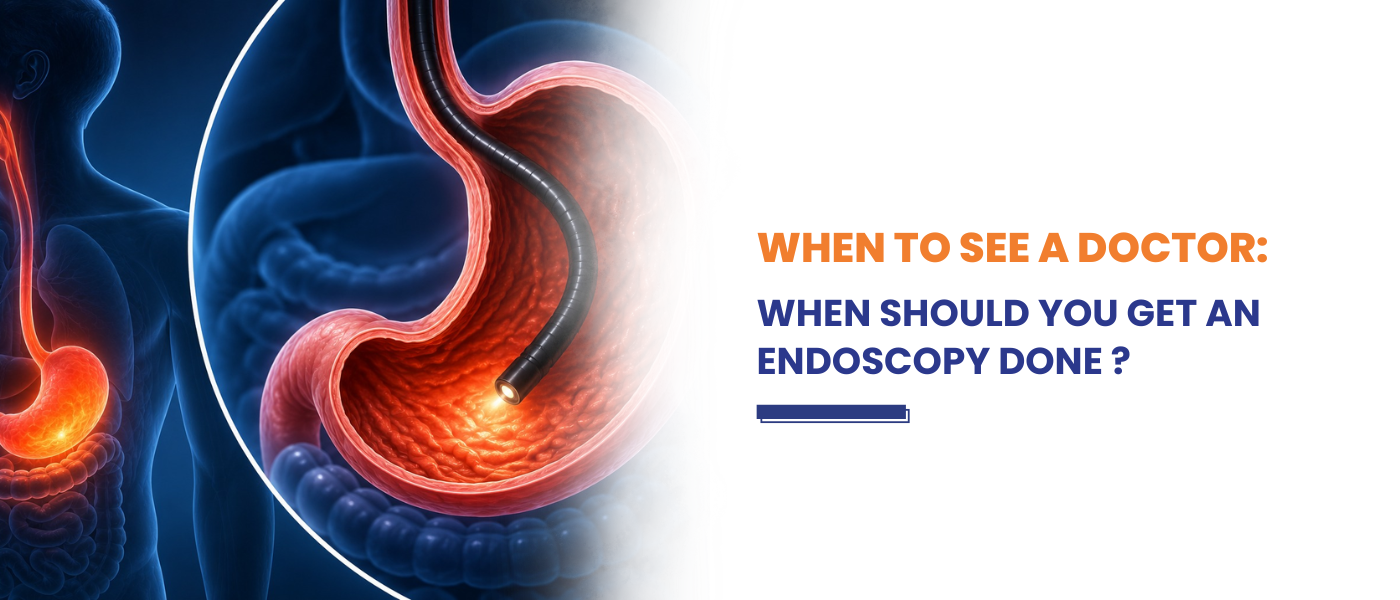
An endoscopy is a medical procedure that allows a doctor to view the inside of the digestive tract using a thin, flexible tube called an endoscope.
The endoscope contains:
- A small camera
- A light source
- Special channels for diagnostic procedures if required
For upper digestive symptoms, the scope is gently passed through the mouth to examine the:
- Food pipe (oesophagus)
- Stomach
- First part of the small intestine (duodenum)
The procedure helps doctors identify abnormalities that may not be visible through routine examinations or imaging tests.
Why Awareness Matters
Many people continue living with digestive symptoms for months or even years, assuming they are caused by stress, food habits, or ageing.
However, persistent symptoms may sometimes indicate:
- Gastritis
- Peptic ulcers
- Acid reflux disease
- Inflammation
- Polyps
- Other digestive tract conditions
Early evaluation helps doctors identify the cause and recommend appropriate care.
Awareness is especially important because many digestive conditions can be managed more effectively when detected early.
Common Symptoms That May Require an Endoscopy
Your doctor may recommend an endoscopy if you experience:
- Persistent acidity or heartburn
- Difficulty swallowing food or liquids
- Frequent nausea or vomiting
- Upper abdominal pain that does not improve
- Feeling full quickly after eating
- Unexplained weight loss
- Persistent indigestion
- Blood in vomit
- Black or tarry stools
- Unexplained anemia
Most of these symptoms can be caused by several conditions, but they should not be ignored if they persist.
What Conditions Can an Endoscopy Detect?
An endoscopy helps doctors evaluate and diagnose various digestive conditions, including:
- Acid reflux disease (GERD)
- Gastritis
- Stomach ulcers
- Esophageal inflammation
- Barrett’s oesophagus
- Polyps
- Certain infections
- Early signs of digestive tract cancers
The procedure may also help collect small tissue samples (biopsies) if needed for further evaluation.
Is Endoscopy Painful?
This is one of the most common concerns patients have.
In most cases:
- The procedure is brief
- Patients are made comfortable throughout the process
- Sedation may be used when appropriate
- Mild throat discomfort may occur temporarily afterwards
The medical team will explain the procedure and answer any questions before it begins.
CMH Expertise & Approach
At Chinmaya Mission Hospital, gastrointestinal evaluation focuses on patient comfort, accurate diagnosis, and clear communication. The team carefully assesses symptoms and recommends endoscopy only when clinically appropriate, ensuring patients understand every step of the process.
When to See a Doctor
It is advisable to consult a doctor if:
- Acidity or indigestion persists despite treatment
- You have difficulty swallowing
- There is unexplained weight loss
- You notice blood in vomit or stools
- Persistent abdominal discomfort affects daily life
- Symptoms continue for several weeks
A doctor can assess your symptoms and determine whether an endoscopy is necessary.
Quick FAQs
Why is an endoscopy done?
An endoscopy helps doctors examine the digestive tract and identify causes of symptoms such as acidity, pain, or difficulty swallowing.
How long does an endoscopy take?
Most upper GI endoscopy procedures are completed within 15–30 minutes.
Do I need to stay in the hospital after an endoscopy?
Most endoscopies are performed as outpatient procedures, allowing patients to go home the same day.
Can an endoscopy detect cancer?
An endoscopy may help identify abnormal areas that require further evaluation, including biopsy when necessary.
Is fasting required before an endoscopy?
Yes. Doctors usually advise fasting for several hours before the procedure.
Digestive symptoms should not be ignored when they become persistent or affect quality of life. An endoscopy is a valuable diagnostic tool that helps doctors understand the cause of symptoms and guide appropriate care.
Guided by healing hands, serving hearts, Chinmaya Mission Hospital remains committed to providing compassionate, patient-centered digestive health care.
Dr. Sandeep M S
MBBS, MD, DM (Gastro)
With over 25 years of experience, Dr. Sandeep M S provides thoughtful and compassionate care in gastroenterological conditions, helping patients understand their symptoms clearly and guiding them with the right approach to digestive and liver health.
Visit: www.cmhblr.com
Call or WhatsApp: +91 802 502 6100
Address: Chinmaya Mission Hospital
1/1, CMH Road, Indiranagar, Bengaluru 560038.
- Hits: 115
